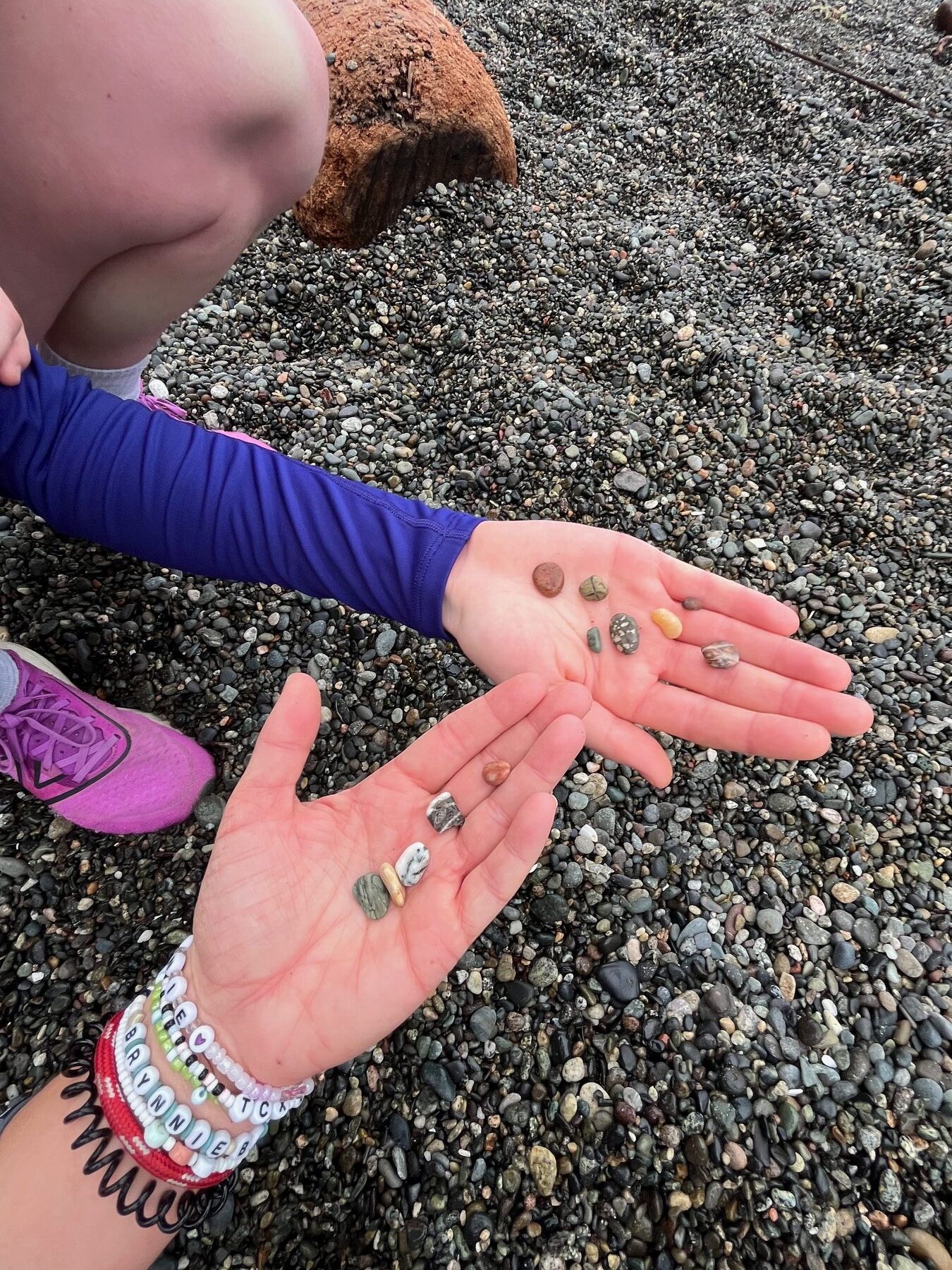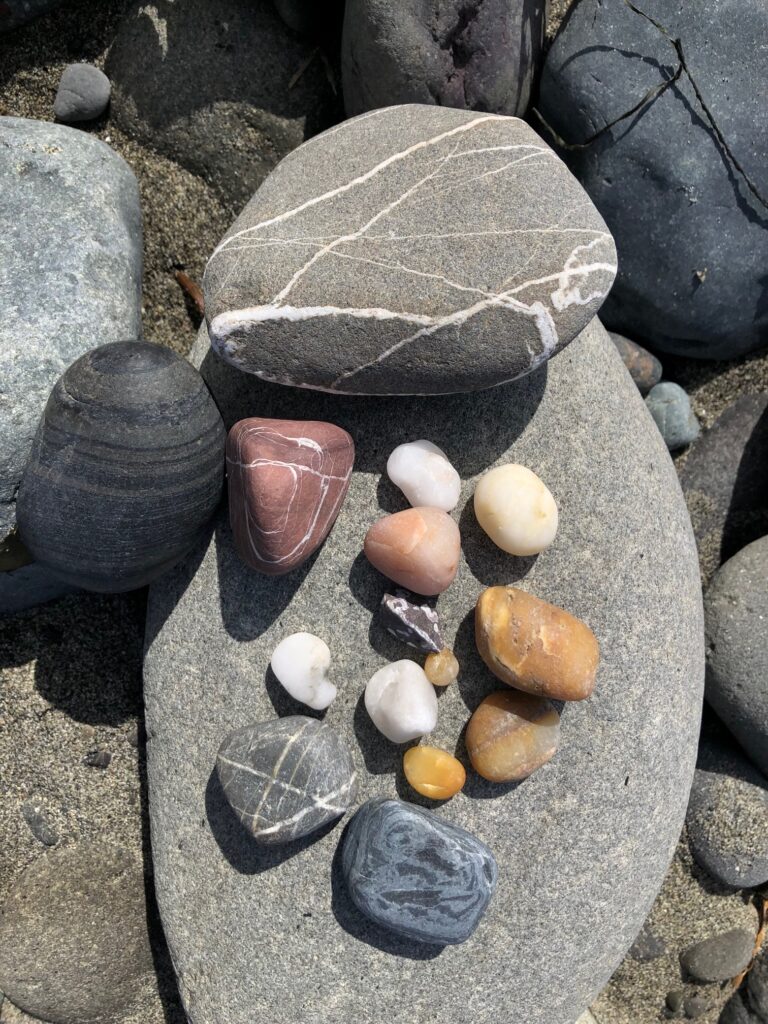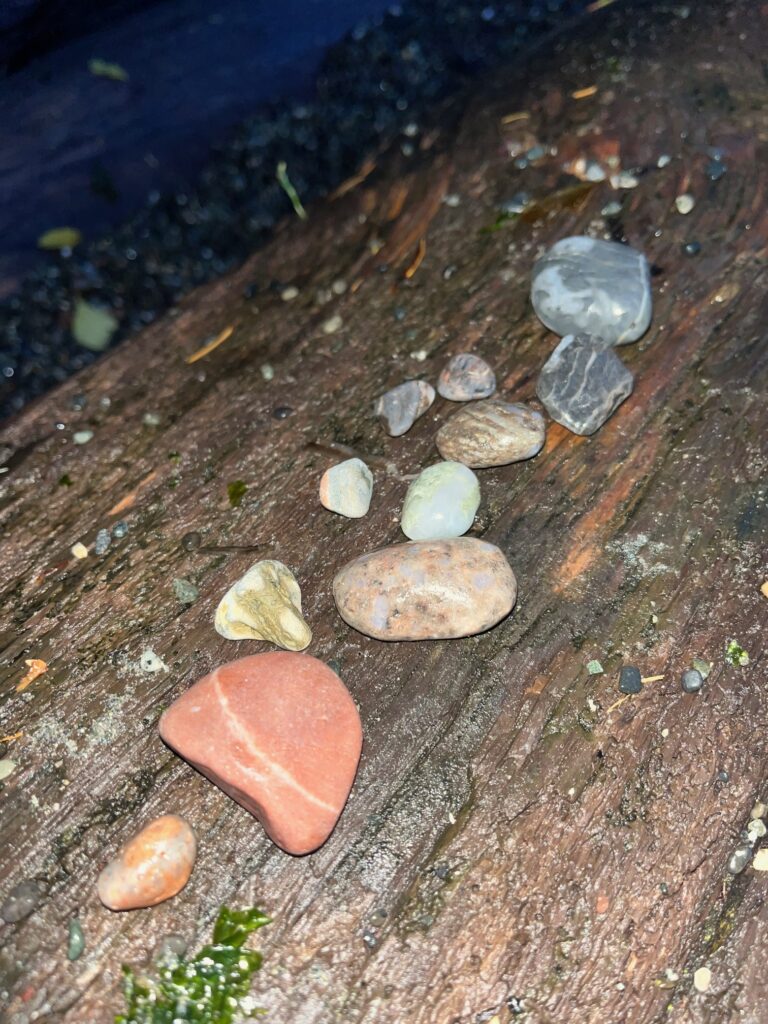
Welcome to weekly class reelections and blogs about rocks!

Author: brynnfreeland (Page 2 of 2)

Intro to Using Technology in Rock Collecting

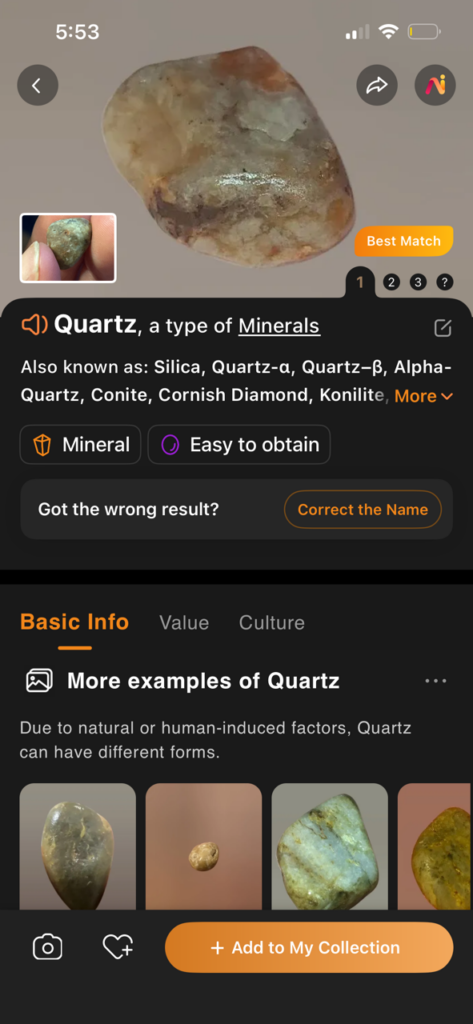
The first app I have chosen to explore is called Rock Identifier. It was the highest rated mobile app in the app store and had lots of features that I was looking for and interested in testing out. I was very excited to be able to learn what type of rock I had found with a quick scan. As well as learn more information about the rock from the scan. The app has a 7-day free trial, then after that, you have to subscribe to the pro version to access the scanning part of the app. I quickly realized I was interested in all the features of the pro version, so I decided to pay, but I would like to still explore other apps and see if I can find any equivalent free options.

The first thing I did after downloading the app and getting a feel for the features was go straight to my rock collection and start scanning all my favourite rocks. I probably sat in my room scanning and identifying rocks for 30 minutes straight. I have loved collecting rocks and always wanted to know more, but never thought of how there could be a simple technology out there that could help me with it.
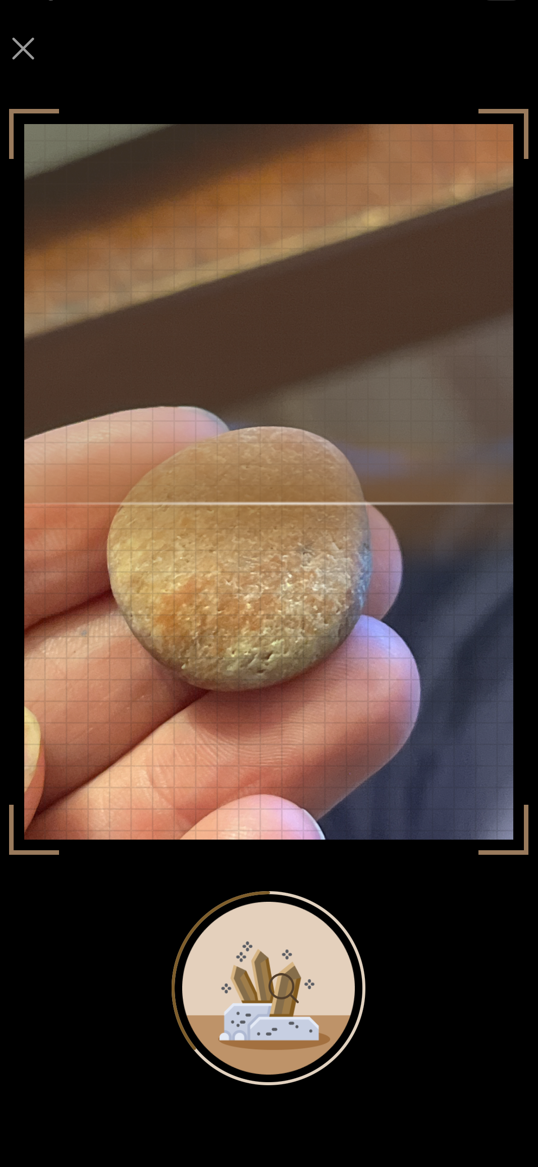
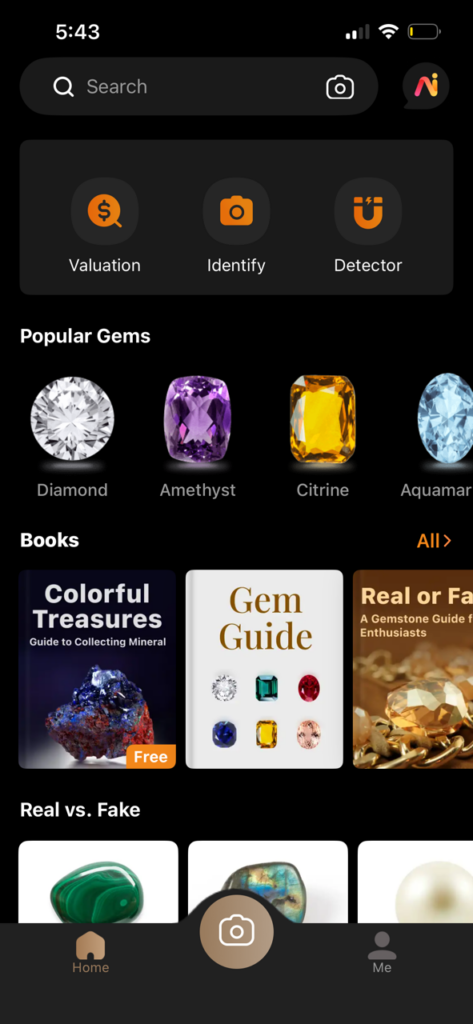
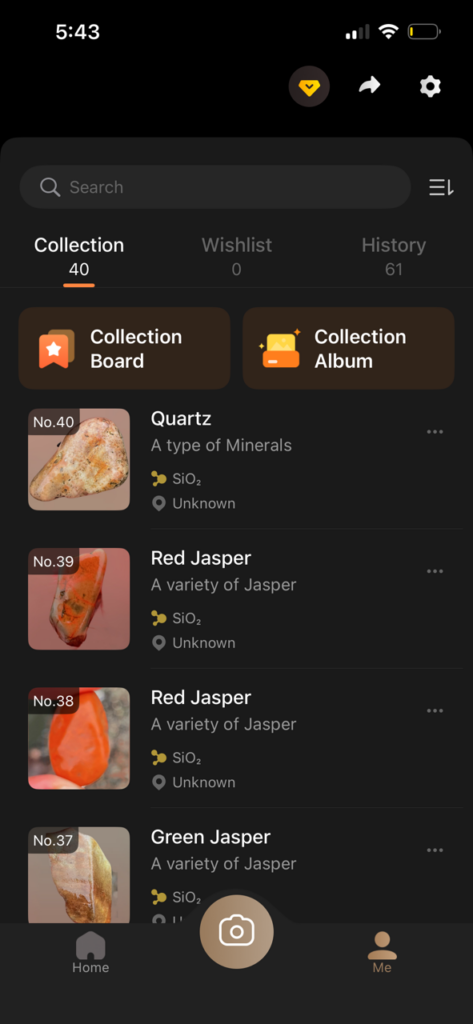
The more I used the app, the more I learned about the features. Once you scan a rock and the app identifies it, it provides you with the rock’s basic info, value, and culture. Under the basic info, there are key facts, the rock’s description, how to identify it, physical properties, chemical properties, formation, age distribution, and usage. The app also has suggested books for rock collectors and access to different articles on rocks and rock collecting. Another section of the app includes an educational section on how to tell if rocks/gems are real vs fake. There is also a huge collection of popular and rare rocks, so you can learn about all types of rocks.
As I continue to explore the app and my journey of rock collecting, I hope to learn more about the local rocks and how to start identifying rocks on my own. My goal is to be able to identify the more common rocks on my own without the app on my next rock collecting journey, as well as find a new type of rock to add to my collection.
Weekly Blog Reflection #4

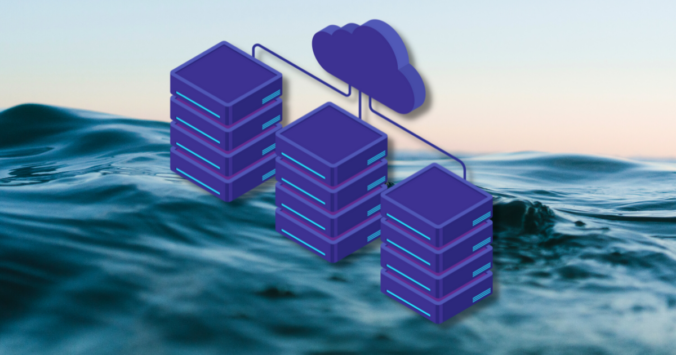
In class this week, we had the chance to have a group discussion around the topic of GenAI power/water use. The question prompts were:

  1. Do we have any choice about using GenAI?
  2. Can we avoid its use?
  3. Can the environmental impacts be mitigated?
  4. Will the tech giants solve the power and water overconsumption?
  5. Will Elon Musk save us with an orbital data centre solution?
  6. Does whether I use GenAI or not really make a difference?

We found that the first two questions were intertwined, as in some situations, you do not have much say around if GenAI is used; therefore, you cannot avoid it. An example of that we discussed was simply doing a Google search; the first answer you will see is powered by Google Gemini. Now there is a setting where you can turn off the automatic use of Google Gemini; however, it is hard to avoid. Multiple other services now have GenAI built into the programming without you even know which makes it very hard to avoid the use of GenAI. With this being said, I am sure you could find a way to turn off all the uses of GenAI, but it would not be easy.

Moving on to the next three questions, we ended up bouncing between them as well, as they seemed to be very connected. When it comes to the question “Can the environmental impacts be mitigated?” our first reaction was to say yes, as we hope that is the case, but we feel it is hard to know. We felt that we ourselves could try to mitigate the impacts, but we do not feel we have enough power to make a big difference. This is how the next question comes into play: we believed the tech giants who created these problems must be able to find solutions and ways to mitigate the impact, but will they? Is there enough drive for them to want to? What benefit will they gain from it? These questions answered the next question, as we do not believe Elon Musk will save us; there is not enough in it for him. His current proposed solution with the orbital data centres seems unrealistic and bound to have its own problems.

That leads us to the final question: Does it make a difference if I use Gen AI or not? I related this topic to recycling, as much as I always try to recycle as much as I can, I will bring recyclables home just to recycle correctly. I will clean any food container in order to recycle it. I will even pick up recycling that my roommate throws out and clean it to recycle it, but in the grand scheme of things, how much does this make an impact? Can I individually help save the environment by having good recycling principles? That I do not know, but I do know it allows me to live up to my own standards and values, and it makes my ethical consciousness feel at ease. I believe that if I can stand by my own values and educate others, eventually it can help make a difference. If one day I throw out a plastic cup because I can not find a recycling bin anywhere, will that make a big difference? Probably not. I see using Gen AI in the same way. I can do my research, find ways to use it ethically and with the least amount of water/power usage as possible, but if it is necessary for me to use it or more convenient at times, it won’t destroy the world. I can try to educate others and promote ethical use of GenAI, but at this point, I feel that is the best I can personally do.

Weekly Blog Reflection 3

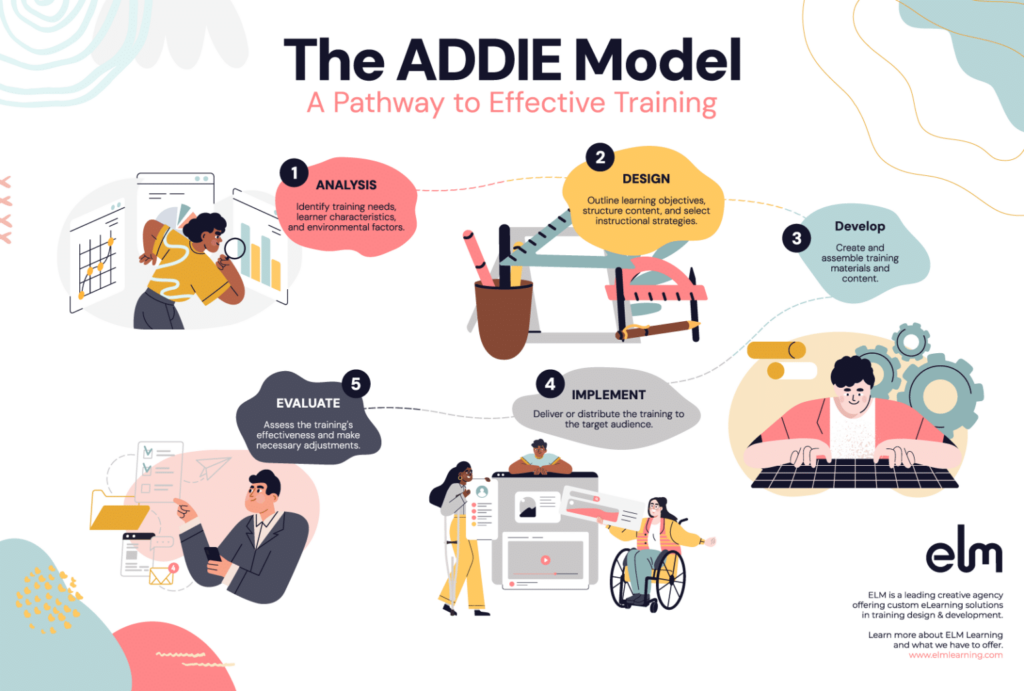
This week in class, we discussed different frameworks used for designing for learning, such as ADDIE, Understanding by Design (UbD), and Universal Design for Learning (UDL). Throughout the classes I have already taken in the education program, I have learned different ways to include UDL in my teaching practices. I truly believe that it is important for all teachers to learn about the principles of UDL and how to incorporate them in their classrooms, as it not only supports diverse learners but all students. This was my first time learning about UbD and ADDIE, and both are very interesting and seem like beneficial frameworks for a teacher.

Addie stands for:

  • Analyze
  • Design
  • Develop
  • Implement
  • Evaluate

When looking more into the ADDIE model, I found an informational website that explained the model and its benefits and downsides. It highlighted how, although the model provides flexibility, strong structure, and is widely recognized, it can be very time-consuming and resource-intensive. Below, I have attached a useful graphic breaking down the model.

UbD focuses on the idea of backward design, meaning when planning unit or lesson plans, begin by thinking about what the end goal is and what I need to do to achieve it. This concept has been discussed before within the courses we have taken so far, especially when talking about creating assessment tools, lesson plans, or unit plans. It is clear that to create a quality plan for your students, you must have the end goal in mind. It can be easy to get excited by a fun-looking lesson plan or an interesting assessment tool, but it is crucial to consider whether it will help you get to your end goal before jumping into using it.

Inquiry Blog Introduction

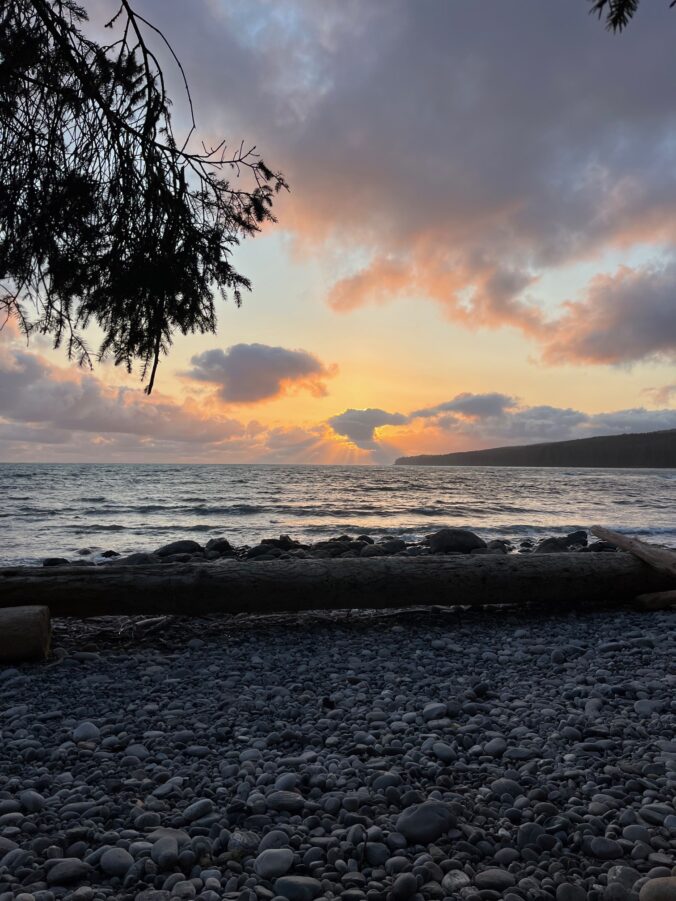
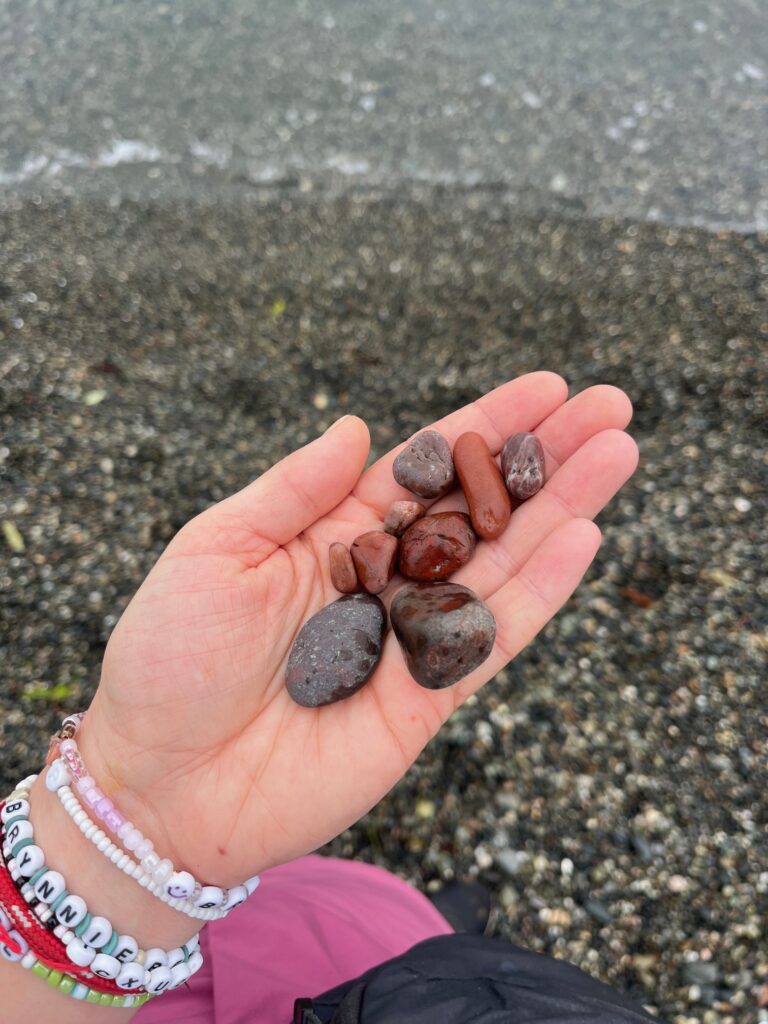
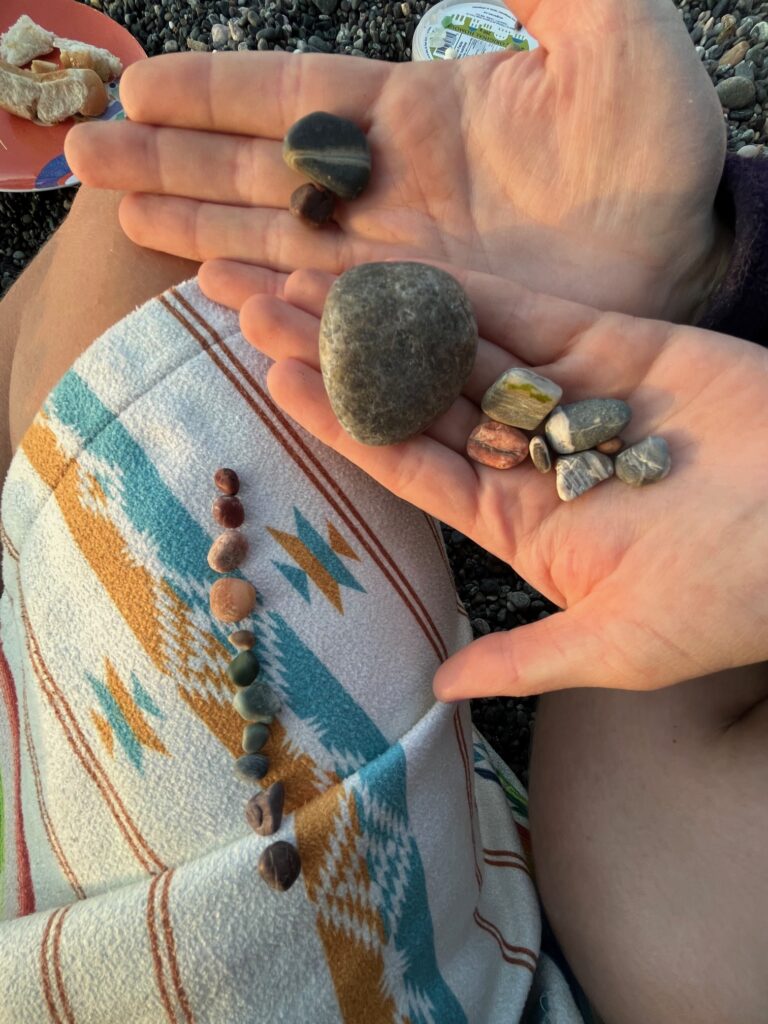
For my inquiry project, I have decided to focus on one of my passions… ROCKS! For anyone who knows me, they know I love collecting rocks and I am often found with rocks in my pocket. My love for rocks definitely started when I was a kid; I remember having multiple rock collections over the years. However, when I reached high school, the passion was put on hold until university. During my first year at university, which was 2020/2021 during COVID, the beach became my escape, and my love for rock collecting was reignited. Since then, whenever I am at the beach, I am always searching for cool rocks to add to my collection. It has reached a point where enough people know about my obsession that I often get questions about rocks, and I do not always have answers. That is what has led me to focus my inquiry project on learning to identify rocks found on Victoria’s beaches. I also want to learn more about the healing properties some rocks may have. Additionally, I am curious about the connections and uses of different rocks by the local Indigenous peoples.

           In connection to technology, I will be exploring different rock identifying apps and see which works best and how to then learn ways to be able identify them on my own. I am curious to explore the different ways the apps use technology to be able to identify rocks. I will also be doing research on different healing properties and other uses that different cultures have for the rocks I find.         

This inquiry project connects to the BC Science curriculum in multiple ways. It directly connects to Science 5, where students learn about different local earth materials and the rock cycle. Similar geology topics appear within the content of other grades’ science curriculum. Another connection found throughout the science curriculum is First Peoples’ knowledge of the land and the connection their culture has with the land and their environment. 

Weekly Blog Reflection #2

This week in class, we focused on the topic of GenAI, what it is, how it has evolved, as well as its positive and negative impacts. There was lots of discussion around how GenAI may be used by students and educators, and how it may be beneficial but also harmful. We were also giving many resources on how to effectively engage with GenAI programs to improve the outputs.

I plan to teach the younger elementary grades (K-3) primarily. I can see how GenAI could be beneficial for me as a teacher when creating lesson plans. It could be helpful to formulate my ideas in actual lessons and organize complex ideas into simpler concepts that are easy to teach to young kids. However, I would be reluctant to rely on GenAI for my lesson plans, as I feel it could lead to a lack of genuineness and could cause me to stop using my critical thinking skills as much as I should. I think for GenAI to be used appropriately by teachers, it is used to help format and organize ideas for lessons rather than fully creating lesson plans, resources, assessment tools, etc. I also think it is important for teachers who choose to use GenAI do research on the program they chose and learn how to use it properly. When it comes to students using AI as of right now, I do not see a place for it in the grades I want to teach. A main goal of teaching young grades is teaching them how to be good humans who positively add to society, and to do that, they have to explore and learn freely and on their own.

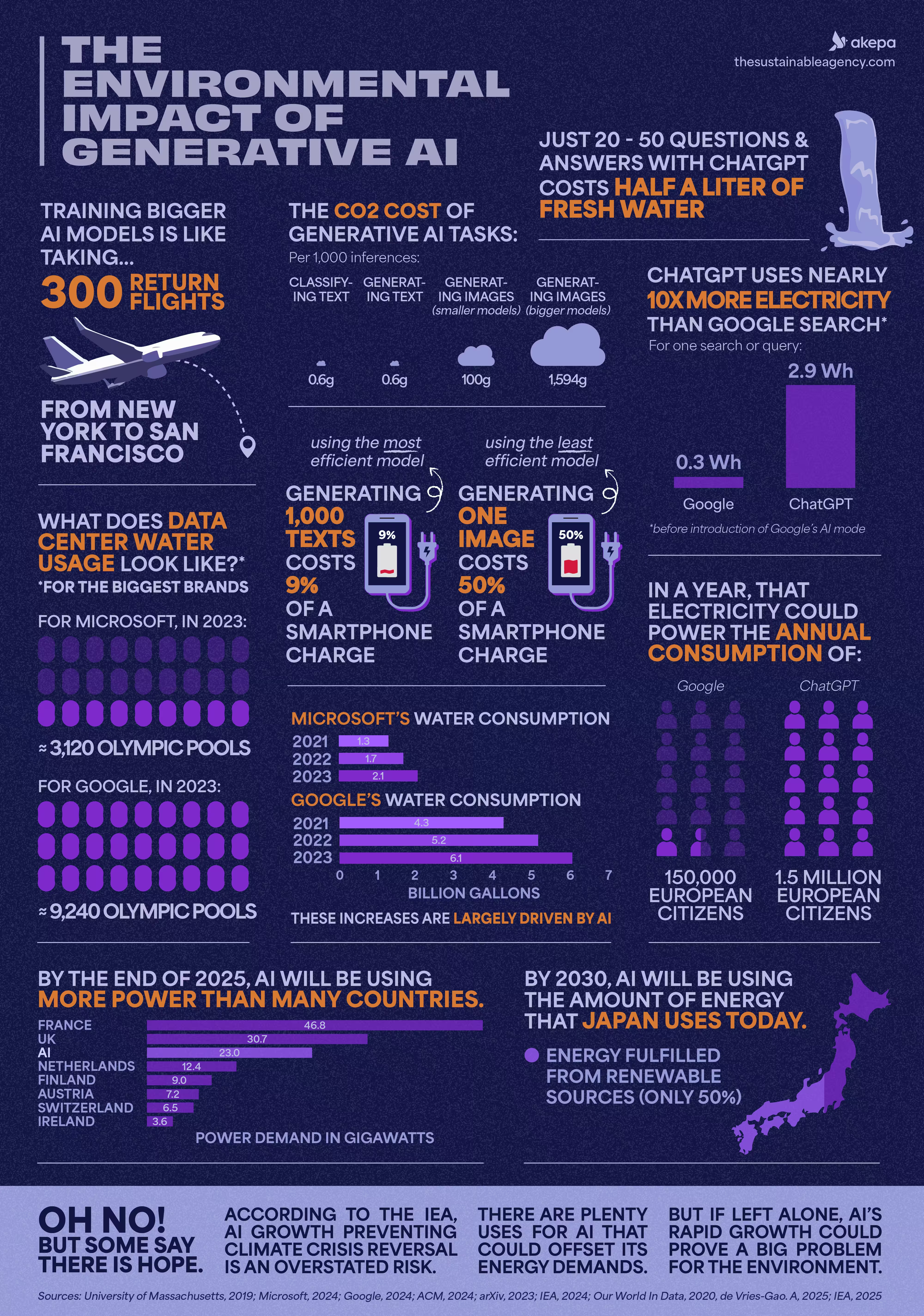
I think a huge issue with GenAI is the environmental impacts it is causing and the lack of education people have on this topic. I myself feel there is more I can learn about the topic, so I found sources online to help me understand the issue more. I found this great article that provided recent statistics and facts about the environmental impacts of GenAI.

I also found a recent article made by the United Nations Environment Assembly discussing the problems AI is causing for the environment and what we can do about it. An interesting point brought up at the beginning of this article is how AI is thought to be able to help solve some of the biggest environmental issues the world faces, but we cannot ignore the negative impacts on the environment using AI.

I will not ignore the fact that I have used GenAI before and probably will use it again as it has become large enough it feel unavoidable and can be found as very useful, however, I am committed to continue to learn about the negative impacts it has and how we can help mitigate those issues and ethically use AI for good reasons.

Weekly Blog Reflection #1

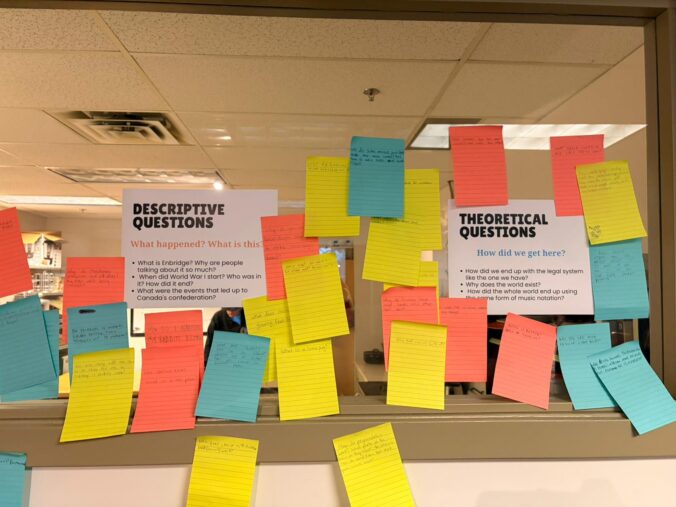
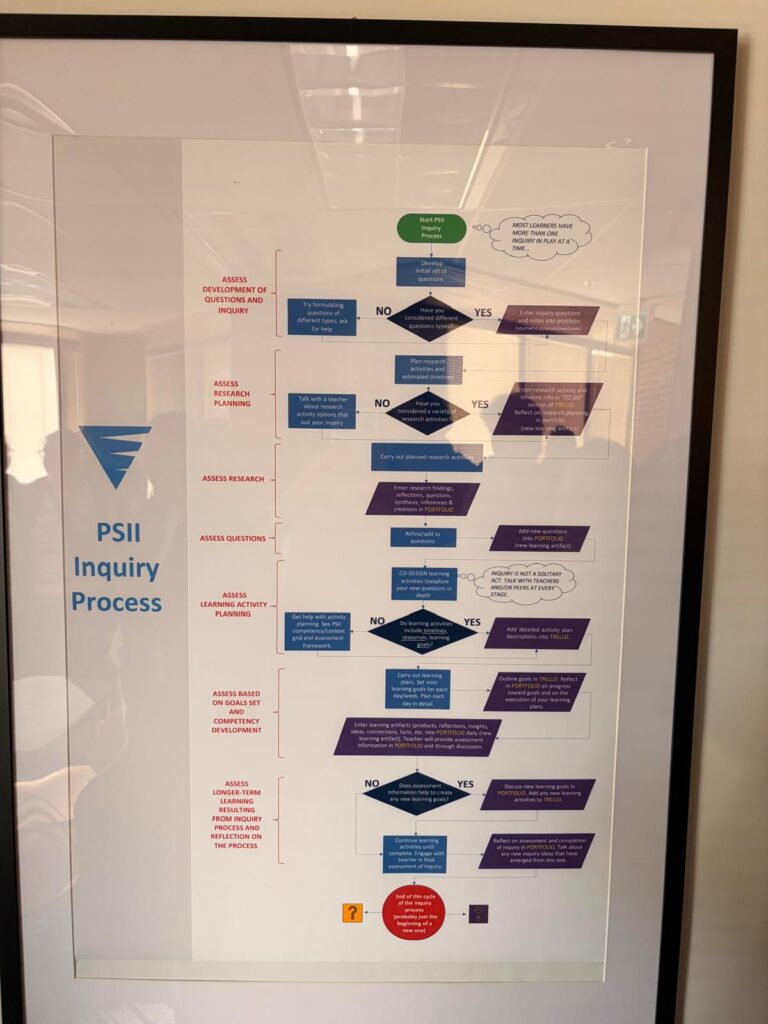
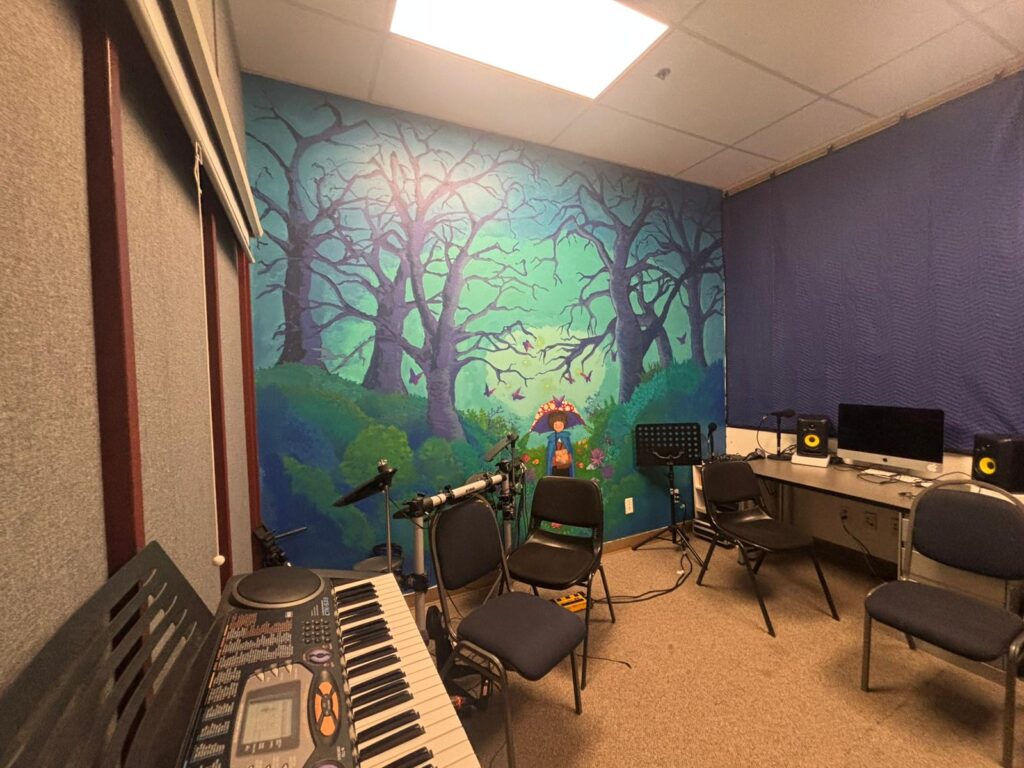
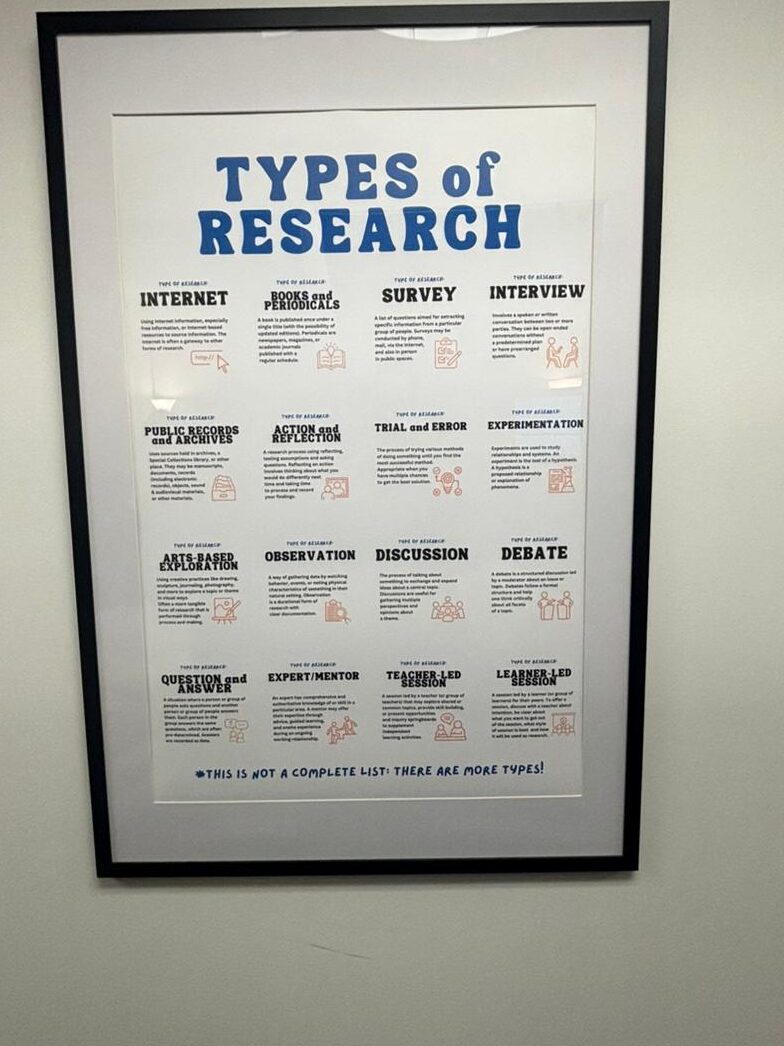
It was very interesting to get the chance to tour the Pacific School of Innovation and Inquiry (PSII) with our class. I had never seen a school designed so deeply in inquiry-based learning and was very curious about how the structure worked and if it was beneficial to the students. During the tour, we learned about the foundations of the school, why it was started, how it supports the students, and how it still ensures the students receive a BC high school diploma. We got a chance to walk through the different rooms, seeing the different resources the school provides to support the students’ inquiry projects, and see the students at work.

Poster showing the schools inquiry based approach

This experience made me reflect more on the question “Do we need to reimagine education?” as the creators of this school clearly did. They created a different approach to providing a high school education to students that is more student-focused and provides more freedom for learning. The way PSII school reimagined education to support diverse learners who do not thrive in a traditional school setting. Giving students the freedom to choose their inquiry project based on their interests can create more purpose to their learning experience. It also allows them to learn about subjects when they are ready for them and interested in learning them, rather than being on a strict schedule. I think the school’s design is very interesting and could see from just a small visit how much of an impact it could have on students’ learning experience; however, I am not sure if full inquiry-based learning would be beneficial for all students. This approach would also be hard to replicate on a larger scale as it requires access to many expensive resources and guidance from teachers. With that being said, I do think it has made me reimagine how I want to be an educator. I am hoping to teach primary ages, but would love to find ways to include more inquiry-based learning into my teaching style. I would also love to find ways to give students more autonomy and freedom in their school experience. I could see more challenges in creating an inquiry-based school structure for younger students, as some fundamentals in pedagogy are highly beneficial in young kids’ learning processes. There are nature based school such as: EPIC Learning Community (Power to Be / NiDES), Blossoming at the Farm (Mary’s Farm and Sanctuary), and Heartwood Learning Community – Sooke that involve more inquiry learning than traditional public schools for elementary-aged children in the greater Victoria area. We have the opportunity to visit on of these schools for another class in our program and I will be curious on how that will also make me reimagine education and what I can add to my teaching style for when I do teach at a public school.

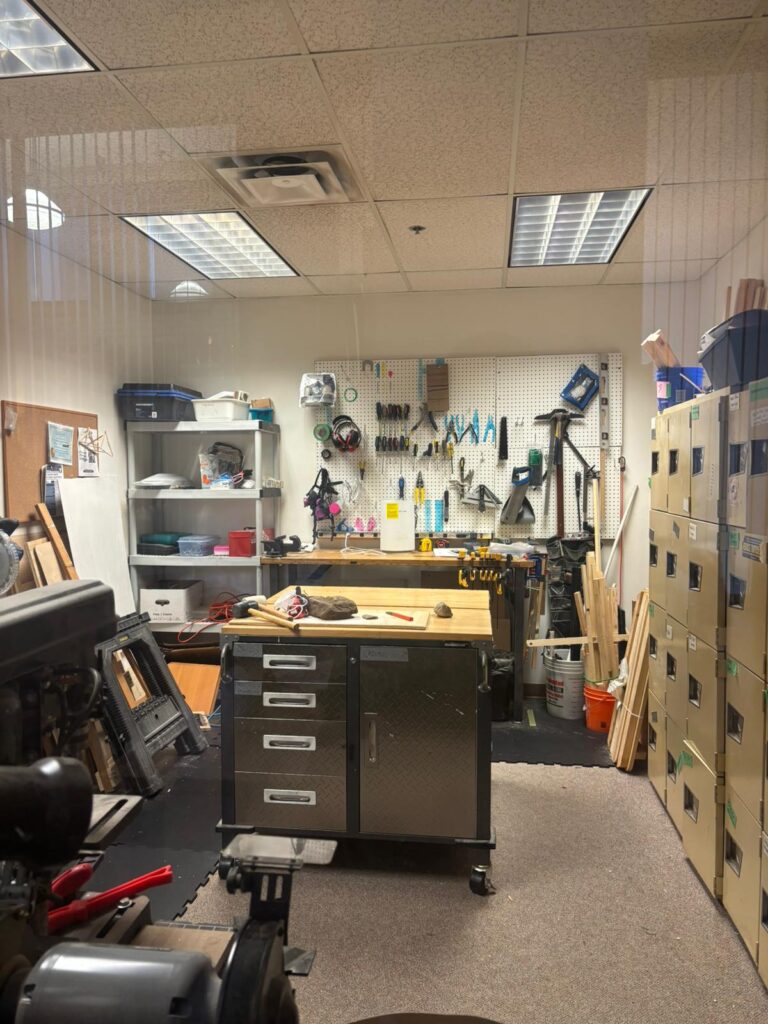
Woodwork room

Newer posts »

© 2026 brynn blogs

Theme by Anders NorenUp ↑