Welcome to weekly class reelections and blogs about rocks!

Category: Weekly Reflections

This is the category to apply to your topic reflection posts from the course.

Weekly Reflection #8

Weekly reflection #8

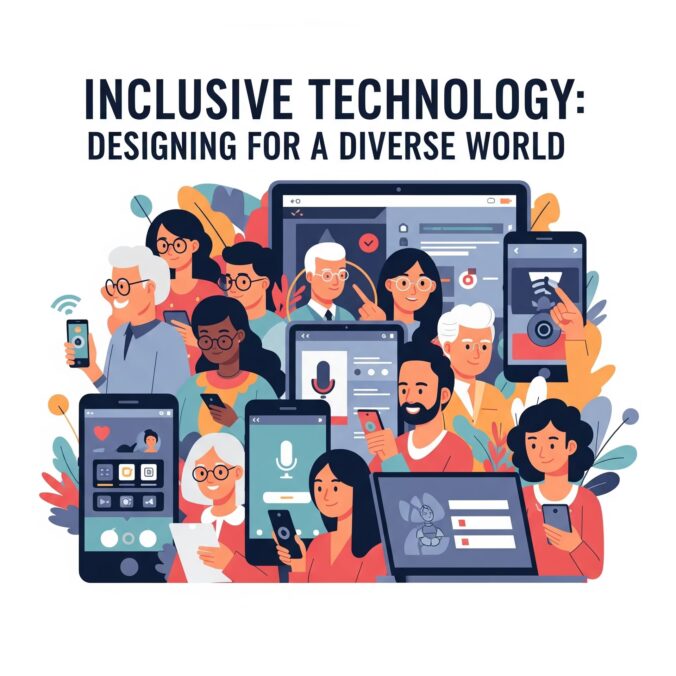
              This week in class, we discussed inclusive technologies and accessibility. In breakout rooms, we discussed two YouTube videos, and all felt similar ways about how, if technology can be brought into a classroom and help students feel more supported and included, why would teachers not want to do so? Technology supports can not only make students feel more supported and included but also allow them to access tools that broaden their learning and improve their motivation in school.

              It was very interesting checking out The Web Accessibility Evaluation Tool created by Utah State University. I had not thought about the accessibility of websites to this degree before, and it was really interesting to learn about all the different considerations that are needed to make an accessible website. When I tested my blog website out, I got a score of 4/10. Some of the flagged issues were not by my design but how the website template was designed; however, there were two main things getting flagged that I can fix: one being the colour contrast of text, and the other being adding alt text for images. I have changed the accent colour to be darker and have better contrast, and will add alt text to the images I use for this and my last inquiry blogs!

Weekly Blog Reflection #7

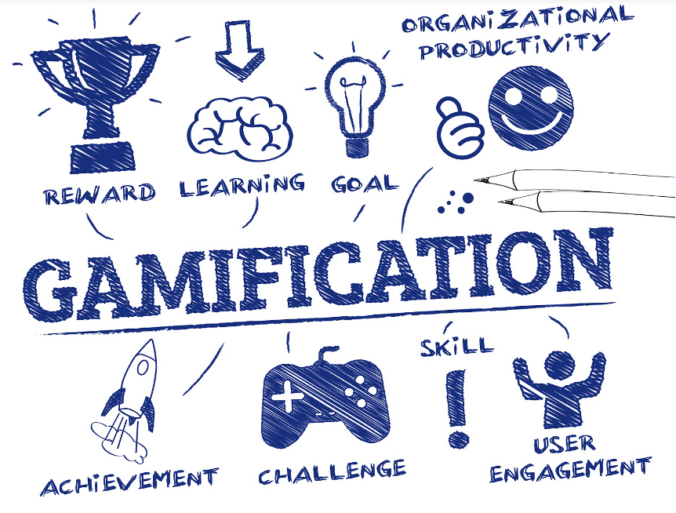
This week in class, we explored the topic of gamification and how it can be brought into the classroom setting. I was very excited to learn more about gamification as I had limited knowledge on the topic beforehand. As I learned from these two websites, Gaming Enhances Education and Gamify Your Existing Course Pedagogy: Level Up!, on gamification, there is a distinct difference between game-based learning and gamification. I think when I heard the term gamification, I thought of game-based learning, which is playing games and learning through the process, where gamification is where you design lessons to include game elements within the lesson itself.

Learning more about gamification and the rationale and purpose behind it reminds me of learning about different inquiry-based schools. The main idea is trying to approach learning from a new lens that could support diverse learners in different ways. Rethinking the format of education can lead to students having more personalized learning plans and increasing motivation to learn. Like any unique teaching approach, it won’t work for every student; it is not one size fits all. It may take time for a teacher to grasp and be able to execute effectively, but it is worth considering as an approach, especially for new teachers. It has gotten me curious about learning more and figuring out how I could apply this in my teaching style. My practicum is in a Grade 1/2 split, so I may struggle to find a place for it there with the younger students (at least with the technology aspect), but who knows, maybe there is more research out there I could go searching for on gamification for younger students.

Weekly Blog Reflection #6

In class this week, we had a chance to give our classmates an update on our Pod projects and how we are doing on them so far. It was really neat to hear about everyone’s different ideas and plans. There are lots of great project plans out there that I think will be very beneficial for all of us to learn from and potentially use in our careers as teachers.

I am especially interested in learning more about the Pod #5 project on using AI applications for new teachers. I am curious to see how they approach it based on what we have already learned in this class about effective uses for AI and what new insights they have. It will be interesting to see how they set up their project, as it sounded like they wanted to use AI in the process of the final product. I am hopeful that their project will be useful in helping new teachers find ethical and reliable ways to use AI in their teaching journeys.

I am also excited to see the Pod #2 project on investigating different language learning resources available online. Their topic is similar to my pods, which is on early literacy and technology (English and French teaching), and I am intrigued to see what, if any, crossovers there are between the projects. Since we are creating an informational resource website (link to unfinished website) and they are creating an informational video, I wonder if our projects may be complimentary of each other?

After last class, I am eager to see everyone’s final products and excited to learn lots!

Weekly Blog Reflection #5

In class last week, we had the opportunity to attend online professional day sessions connected to technology in education. The first one I went to was called “Digital classroom grade K-7.” This session covered the different resources that can be found on Focus Ed and how they can be utilized as a teacher in grades K-7. This session was useful and interesting; however, it did cover similar topics to what was covered in the previous class that introduced us to Focus Ed.

A few takeaways I got from the session is Focus Ed gives you access to a great online Indigenous Education source, 4 Canoes. 4 Canoes has lots of different ready-to-use activities and lesson plans, and was created by an Indigenous educator for Canadian schools. One thing I did note is that some of the specific topics or resources are not permanently on the website and change over time, so if something is of interest to you, you should check it out when it is there. Overall, it seems to have lots of good resources with introduction videos, lesson plans, and activities.

The second session I attended was “Live it Place-based Bilingual.” I really enjoyed this session; the presenter was very engaging and made me very intrigued to check out this resource myself. This website is set up for teachers or students to use and is full of different subject-based programs. I really like how it was set up in a way teacher can use it but not have an increased amount of screen time for the students. It provides lots of inquiry-based learning structures designed to get learners excited about learning. The presenter also pointed out that it can be great as a resource to get you, as the teacher, excited about teaching the subject, which I thought was a great way to look at it!

Weekly Blog Reflection #4

In class this week, we had the chance to have a group discussion around the topic of GenAI power/water use. The question prompts were:

  1. Do we have any choice about using GenAI?
  2. Can we avoid its use?
  3. Can the environmental impacts be mitigated?
  4. Will the tech giants solve the power and water overconsumption?
  5. Will Elon Musk save us with an orbital data centre solution?
  6. Does whether I use GenAI or not really make a difference?

We found that the first two questions were intertwined, as in some situations, you do not have much say around if GenAI is used; therefore, you cannot avoid it. An example of that we discussed was simply doing a Google search; the first answer you will see is powered by Google Gemini. Now there is a setting where you can turn off the automatic use of Google Gemini; however, it is hard to avoid. Multiple other services now have GenAI built into the programming without you even know which makes it very hard to avoid the use of GenAI. With this being said, I am sure you could find a way to turn off all the uses of GenAI, but it would not be easy.

Moving on to the next three questions, we ended up bouncing between them as well, as they seemed to be very connected. When it comes to the question “Can the environmental impacts be mitigated?” our first reaction was to say yes, as we hope that is the case, but we feel it is hard to know. We felt that we ourselves could try to mitigate the impacts, but we do not feel we have enough power to make a big difference. This is how the next question comes into play: we believed the tech giants who created these problems must be able to find solutions and ways to mitigate the impact, but will they? Is there enough drive for them to want to? What benefit will they gain from it? These questions answered the next question, as we do not believe Elon Musk will save us; there is not enough in it for him. His current proposed solution with the orbital data centres seems unrealistic and bound to have its own problems.

That leads us to the final question: Does it make a difference if I use Gen AI or not? I related this topic to recycling, as much as I always try to recycle as much as I can, I will bring recyclables home just to recycle correctly. I will clean any food container in order to recycle it. I will even pick up recycling that my roommate throws out and clean it to recycle it, but in the grand scheme of things, how much does this make an impact? Can I individually help save the environment by having good recycling principles? That I do not know, but I do know it allows me to live up to my own standards and values, and it makes my ethical consciousness feel at ease. I believe that if I can stand by my own values and educate others, eventually it can help make a difference. If one day I throw out a plastic cup because I can not find a recycling bin anywhere, will that make a big difference? Probably not. I see using Gen AI in the same way. I can do my research, find ways to use it ethically and with the least amount of water/power usage as possible, but if it is necessary for me to use it or more convenient at times, it won’t destroy the world. I can try to educate others and promote ethical use of GenAI, but at this point, I feel that is the best I can personally do.
Weekly Blog Reflection 3

This week in class, we discussed different frameworks used for designing for learning, such as ADDIE, Understanding by Design (UbD), and Universal Design for Learning (UDL). Throughout the classes I have already taken in the education program, I have learned different ways to include UDL in my teaching practices. I truly believe that it is important for all teachers to learn about the principles of UDL and how to incorporate them in their classrooms, as it not only supports diverse learners but all students. This was my first time learning about UbD and ADDIE, and both are very interesting and seem like beneficial frameworks for a teacher.

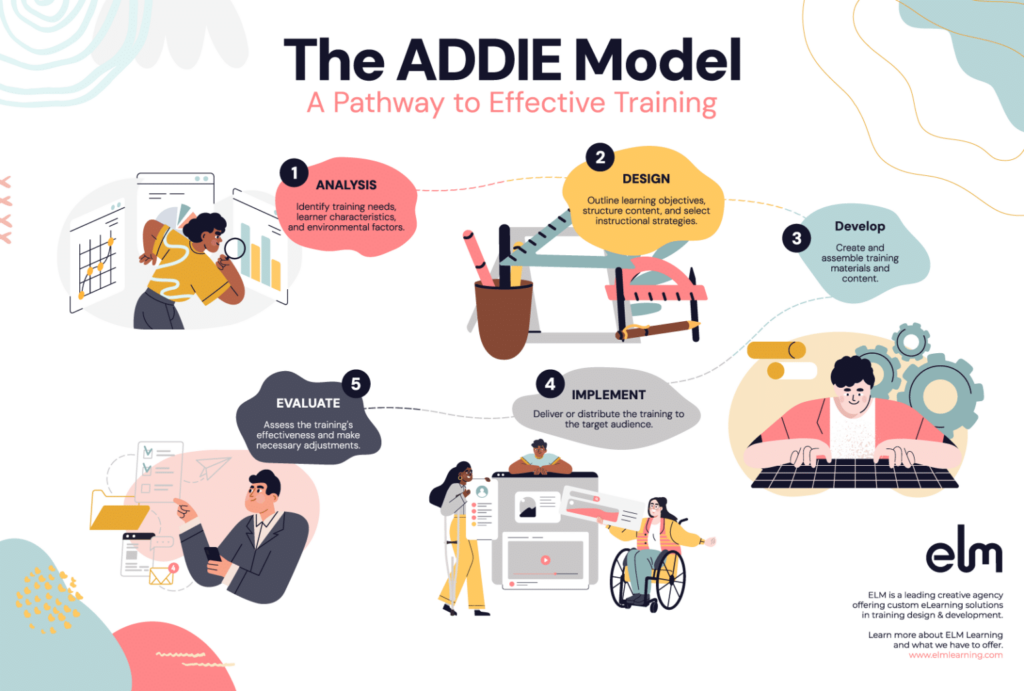
Addie stands for:

  • Analyze
  • Design
  • Develop
  • Implement
  • Evaluate

When looking more into the ADDIE model, I found an informational website that explained the model and its benefits and downsides. It highlighted how, although the model provides flexibility, strong structure, and is widely recognized, it can be very time-consuming and resource-intensive. Below, I have attached a useful graphic breaking down the model.

UbD focuses on the idea of backward design, meaning when planning unit or lesson plans, begin by thinking about what the end goal is and what I need to do to achieve it. This concept has been discussed before within the courses we have taken so far, especially when talking about creating assessment tools, lesson plans, or unit plans. It is clear that to create a quality plan for your students, you must have the end goal in mind. It can be easy to get excited by a fun-looking lesson plan or an interesting assessment tool, but it is crucial to consider whether it will help you get to your end goal before jumping into using it.

Weekly Blog Reflection #2

This week in class, we focused on the topic of GenAI, what it is, how it has evolved, as well as its positive and negative impacts. There was lots of discussion around how GenAI may be used by students and educators, and how it may be beneficial but also harmful. We were also giving many resources on how to effectively engage with GenAI programs to improve the outputs.

I plan to teach the younger elementary grades (K-3) primarily. I can see how GenAI could be beneficial for me as a teacher when creating lesson plans. It could be helpful to formulate my ideas in actual lessons and organize complex ideas into simpler concepts that are easy to teach to young kids. However, I would be reluctant to rely on GenAI for my lesson plans, as I feel it could lead to a lack of genuineness and could cause me to stop using my critical thinking skills as much as I should. I think for GenAI to be used appropriately by teachers, it is used to help format and organize ideas for lessons rather than fully creating lesson plans, resources, assessment tools, etc. I also think it is important for teachers who choose to use GenAI do research on the program they chose and learn how to use it properly. When it comes to students using AI as of right now, I do not see a place for it in the grades I want to teach. A main goal of teaching young grades is teaching them how to be good humans who positively add to society, and to do that, they have to explore and learn freely and on their own.

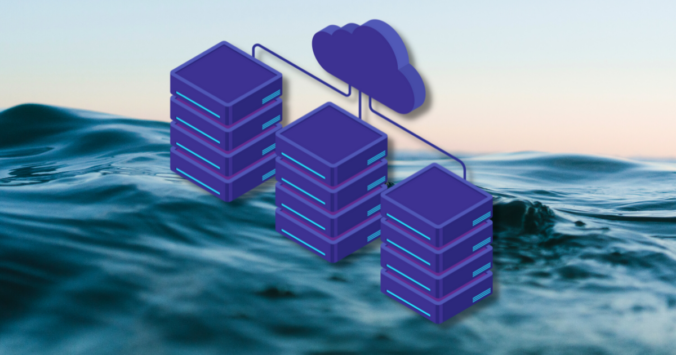
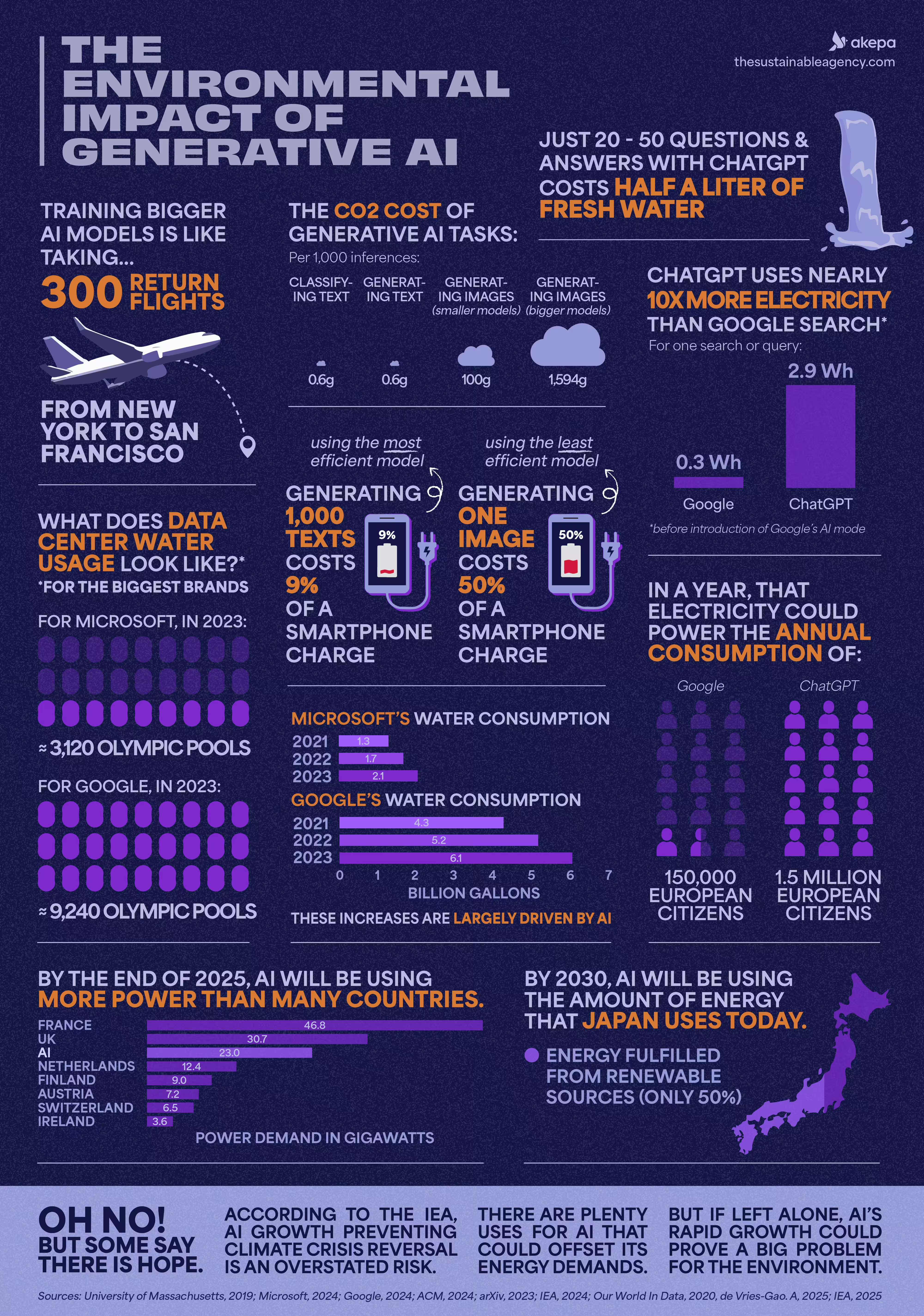
I think a huge issue with GenAI is the environmental impacts it is causing and the lack of education people have on this topic. I myself feel there is more I can learn about the topic, so I found sources online to help me understand the issue more. I found this great article that provided recent statistics and facts about the environmental impacts of GenAI.

I also found a recent article made by the United Nations Environment Assembly discussing the problems AI is causing for the environment and what we can do about it. An interesting point brought up at the beginning of this article is how AI is thought to be able to help solve some of the biggest environmental issues the world faces, but we cannot ignore the negative impacts on the environment using AI.

I will not ignore the fact that I have used GenAI before and probably will use it again as it has become large enough it feel unavoidable and can be found as very useful, however, I am committed to continue to learn about the negative impacts it has and how we can help mitigate those issues and ethically use AI for good reasons.

Weekly Blog Reflection #1

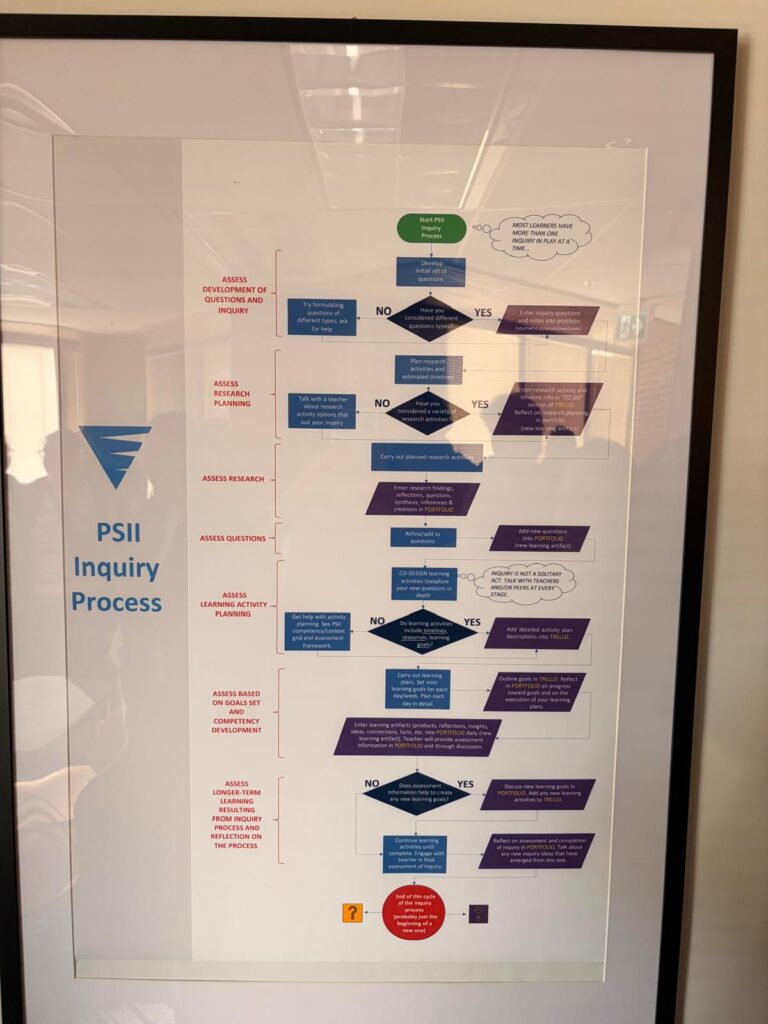
It was very interesting to get the chance to tour the Pacific School of Innovation and Inquiry (PSII) with our class. I had never seen a school designed so deeply in inquiry-based learning and was very curious about how the structure worked and if it was beneficial to the students. During the tour, we learned about the foundations of the school, why it was started, how it supports the students, and how it still ensures the students receive a BC high school diploma. We got a chance to walk through the different rooms, seeing the different resources the school provides to support the students’ inquiry projects, and see the students at work.

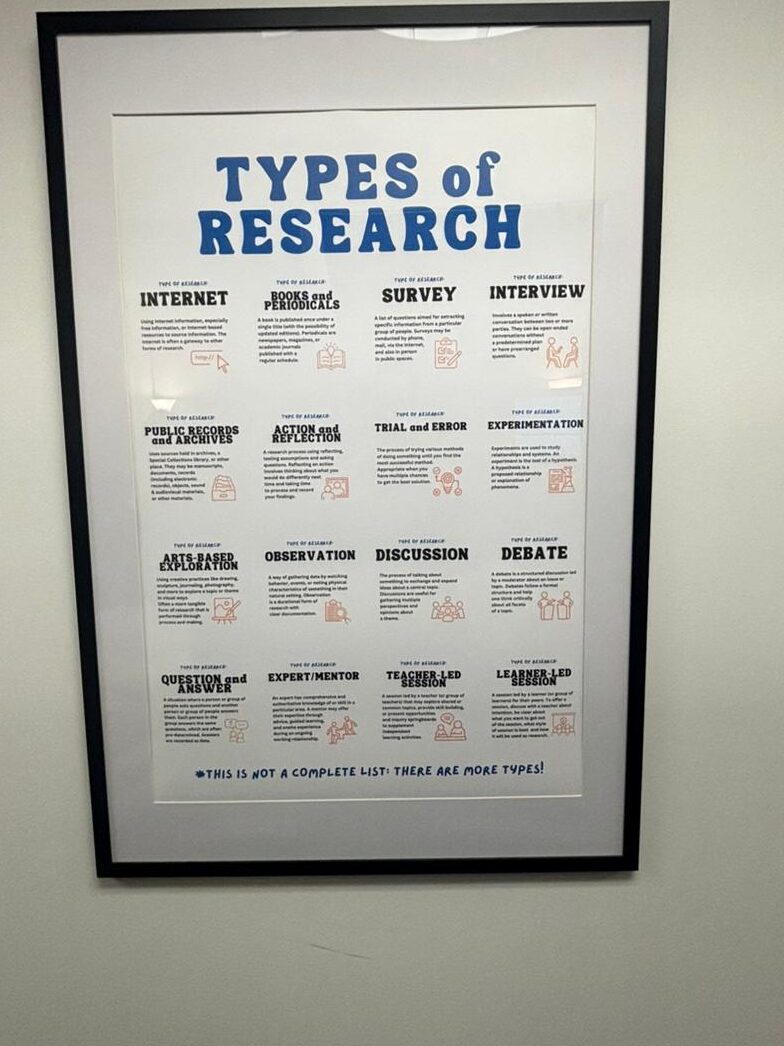
Poster showing the schools inquiry based approach

This experience made me reflect more on the question “Do we need to reimagine education?” as the creators of this school clearly did. They created a different approach to providing a high school education to students that is more student-focused and provides more freedom for learning. The way PSII school reimagined education to support diverse learners who do not thrive in a traditional school setting. Giving students the freedom to choose their inquiry project based on their interests can create more purpose to their learning experience. It also allows them to learn about subjects when they are ready for them and interested in learning them, rather than being on a strict schedule. I think the school’s design is very interesting and could see from just a small visit how much of an impact it could have on students’ learning experience; however, I am not sure if full inquiry-based learning would be beneficial for all students. This approach would also be hard to replicate on a larger scale as it requires access to many expensive resources and guidance from teachers. With that being said, I do think it has made me reimagine how I want to be an educator. I am hoping to teach primary ages, but would love to find ways to include more inquiry-based learning into my teaching style. I would also love to find ways to give students more autonomy and freedom in their school experience. I could see more challenges in creating an inquiry-based school structure for younger students, as some fundamentals in pedagogy are highly beneficial in young kids’ learning processes. There are nature based school such as: EPIC Learning Community (Power to Be / NiDES), Blossoming at the Farm (Mary’s Farm and Sanctuary), and Heartwood Learning Community – Sooke that involve more inquiry learning than traditional public schools for elementary-aged children in the greater Victoria area. We have the opportunity to visit on of these schools for another class in our program and I will be curious on how that will also make me reimagine education and what I can add to my teaching style for when I do teach at a public school.

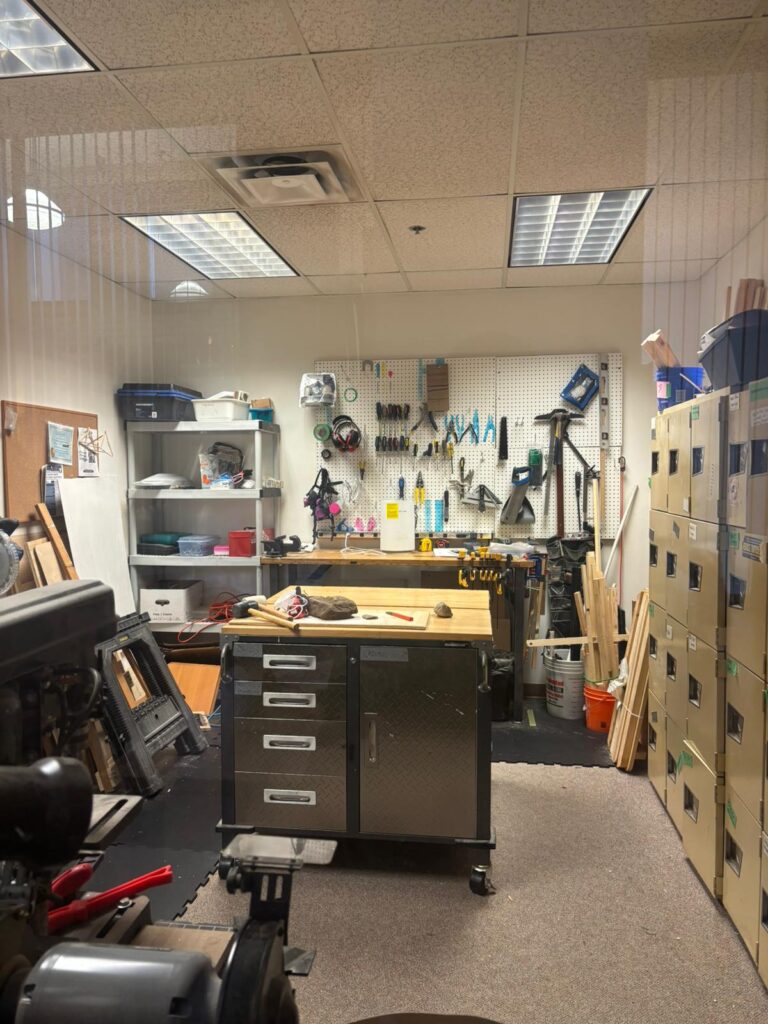
Woodwork room

Welcome and Introduction

Before proceeding with this first blog post, we expect you to consider your privacy preferences carefully and that you have considered the following options:

  1. Do you want to be online vs. offline?
  2. Do you want to use your name (or part thereof) vs. a pseudonym (e.g., West Coast Teacher)?
  3. Do you want to have your blog public vs. private? (Note, you can set individual blog posts private or password-protected or have an entire blog set to private

First tasks you might explore with your new blog:

  • Go into its admin panel found by adding /wp-admin at the end of your blog’s URL
  • Add new categories or tags to organize your blog posts – found under “Posts” (but do not remove the pre-existing “Topic Reflections”, or “Lesson Plan & Materials Creation” categories). If you would like to add more course categories, please do so (e.g., add EDCI 306A with no space for Music Ed, etc.)
  • See if your blog posts are appearing on the course website (you must have the course categories assigned to a post first and have provided your instructor with your blog URL)
  • Add pages
  • Embed images or set featured images and embed video in blog posts and pages (can be your own media or that found on the internet, but consider free or creative commons licensed works)
  • Under Appearance,
    • Select your preferred website theme and customize to your preferences (New title, etc.)
    • Customize menus & navigation
    • Use widgets to customize blog content and features
  • Delete this starter post (or switch it to draft status if you want to keep for reference)

Do consider creating categories for each course that you take should you wish to document your learning (or from professional learning activities outside of formal courses). Keep note, however, that you may wish to use the course topic as the category as opposed to the course number as individuals outside of your program would not be familiar with the number (e.g., we use “EdTech” instead of “IED 336”).

Lastly, as always, be aware of the FIPPA as it relates to privacy and share only those names/images that you have consent to use or are otherwise public figures. When in doubt, ask us.

Please also review the resources from our course website for getting started with blogging:

© 2026 brynn blogs

Theme by Anders NorenUp ↑